
Kidney and Liver Disease Models
Comprehensive Hepatobiliary and Renal Disease Models for Drug Discovery
Kidney and liver diseases encompass diverse metabolic, inflammatory, fibrotic, toxic, and degenerative mechanisms. Disease-relevant in vivo models with complementary functional, molecular, imaging, and pathological endpoints can help characterize disease progression and evaluate therapeutic activity across these complex conditions.
WuXi Biology and Testing provides a broad portfolio of established in vivo models spanning hepatobiliary and renal diseases. Our platforms support efficacy and mechanism-of-action studies across metabolic, fibrotic, inflammatory, cholestatic, toxic, oncologic, and other disease mechanisms, supported by comprehensive biomarker, molecular, imaging, functional, and quantitative pathology capabilities.
Hepatobiliary Disease Models
WuXi Biology and Testing provides a broad portfolio of in vivo hepatobiliary disease models spanning metabolic and steatotic liver disease, alcohol-associated liver disease, fibrosis and cirrhosis, biliary and cholestatic diseases, acute liver injury and failure, liver regeneration, and liver cancer. Multiple induction approaches and species support model selection based on disease mechanism, study objectives, and desired efficacy and translational endpoints.
The platform is complemented by hepatic tissue resources, transcriptomics and drug-efficacy data, along with comprehensive characterization approaches for liver pathology and metabolic features.
MASLD, MASH, and Alcohol-Associated Liver Disease
Steatotic liver diseases encompass metabolic and alcohol-associated conditions characterized by hepatic fat accumulation, inflammation, liver fibrosis, and progressive liver injury. WuXi Biology and Testing provides in vivo models covering MASLD, MASH, ALD, and MetALD using dietary, chemical, metabolic, and combined induction approaches.
Models include:
- HFD-induced MASLD
- HFD + CCl₄-induced MASH
- CDAHFD-induced MASH
- GAN/AMLN diet-induced MASH
- STZ + HFD-induced MASH
Additional metabolic and steatotic liver disease models available within the platform include Western diet-, HFD + fructose/glucose-, CDAA-, and MCD-induced models, as well as ethanol diet-induced ASH/ALD and diet + ethanol-induced MetALD models. The live platform confirms this broader model portfolio.
Combination Therapy Studies
MASH combination studies can support evaluation of complementary therapeutic mechanisms and potential improvements in metabolic and histopathological endpoints. WuXi Biology and Testing has evaluated GLP-1 receptor agonist-based combination therapies using the HFD + CCl₄-induced mouse MASH model.
Study endpoints include:
- Body and liver weight
- NAS and fibrosis scores
- Digital quantitative pathology
- Regional steatosis and fibrosis assessment
Biliary and Cholestatic Liver Diseases
Biliary and cholestatic liver diseases result from impaired bile formation or flow and can lead to inflammation, fibrosis, and progressive liver injury. WuXi Biology and Testing provides in vivo models covering PBC, PSC, cholelithiasis, and other cholestatic conditions using chemical, dietary, and surgical approaches.
Models include:
- ANIT-induced PBC
- DDC-induced PSC
- BDL-induced cholestatic liver disease
Additional biliary disease models available within the platform include cholesterol plus cholic acid-induced cholelithiasis.
Acute Liver Injury and Liver Failure
Acute liver injury and liver failure can result from toxic, immune-mediated, and ischemic mechanisms that cause rapid hepatocellular damage and loss of liver function.
WuXi Biology and Testing provides in vivo models using chemical, immune-mediated, and ischemia-reperfusion approaches.
Models include:
- APAP-induced acute liver injury
- CCl₄-induced acute liver injury
- Con A-induced acute liver injury
- Ischemia-reperfusion liver injury
Additional acute liver injury and failure models available within the platform include LPS/D-GalN-induced acute liver injury and APAP-induced acute liver failure.
Liver Regeneration
Liver regeneration involves coordinated cellular and molecular responses that restore liver mass and function following tissue loss or injury. WuXi Biology and Testing provides in vivo partial hepatectomy models to support studies of regenerative responses and therapeutic interventions.
Partial hepatectomy models are available in mice and rats, including an established 70% partial hepatectomy model in mice.
Liver Cancer
Liver cancers encompass primary and metastatic malignancies with diverse molecular and pathological characteristics. WuXi Biology and Testing provides in vivo liver cancer models using induced, cell-derived, and patient-derived approaches.
Models include:
- Primary HCC
- Metastatic HCC
- DEN + CCl₄-induced liver cancer
- CDX models
- PDX models
Infectious Liver Disease
Viral infections can cause acute and chronic liver disease and contribute to progressive hepatic injury. WuXi Biology and Testing provides in vivo infectious liver disease models to support evaluation of antiviral therapeutic strategies.
Renal Disease Models
WuXi Biology and Testing provides a broad portfolio of in vivo kidney disease models spanning acute kidney injury, chronic kidney disease and renal fibrosis, glomerular and nephrotic diseases, diabetic nephropathy, autoimmune and inflammatory nephropathy, renal calculi, renal anemia, and other renal disorders. Multiple induction approaches and species support model selection based on disease mechanism, study objectives, and desired efficacy and translational endpoints.
The platform is complemented by renal tissue resources and transcriptomics data, along with comprehensive capabilities in renal function, biomarkers, imaging, and quantitative pathology.
Acute Kidney Injury
Acute kidney injury involves a rapid decline in renal function resulting from toxic, inflammatory, ischemic, and other forms of renal injury. WuXi Biology and Testing provides in vivo AKI models using drug-induced, inflammatory, ischemia-reperfusion, and other disease-relevant approaches.
Models include:
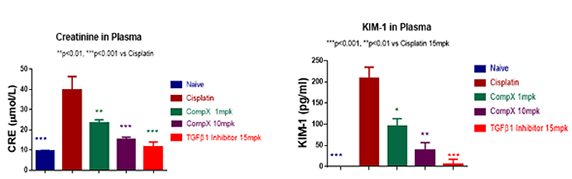
- Cisplatin-induced AKI
- LPS-induced AKI
- Unilateral ischemia-reperfusion injury (IRI)
- Bilateral ischemia-reperfusion injury (B-IRI)
- AAI induced AKI
Additional renal injury models available within the platform include PAN-induced renal podocyte injury and anti-Thy1-induced IgA nephropathy.
Nephrotic Syndrome and Glomerular & Inflammatory Kidney Diseases
Nephrotic syndrome and other glomerular and inflammatory kidney diseases involve disruption of the glomerular filtration barrier and, in some conditions, immune-mediated renal injury. WuXi Biology and Testing provides in vivo models covering nephrotic syndrome, focal segmental glomerulosclerosis (FSGS), minimal change disease, membranous nephropathy, and autoimmune and inflammatory nephropathies using complementary disease-relevant approaches.
Models include:
- Focal segmental glomerulosclerosis (FSGS)
- Minimal change disease (PAN induced)
- Passive Heymann nephritis / membranous nephropathy
- Systemic lupus erythematosus (SLE)-associated nephropathy
- IgA nephropathy
- Anti-GBM nephritis
- Anti-Thy1 Induced Mesangial Proliferative Glomerulonephritis
Additional induction approaches available within the platform include PAN, doxorubicin, renal hypertension, 5/6 nephrectomy, and other established methods.
Chronic Kidney Diseases and Renal Fibrosis
Chronic kidney disease involves progressive loss of renal function and is frequently associated with inflammation and fibrosis. WuXi Biology and Testing provides in vivo models covering CKD and renal fibrosis using surgical, hypertensive, chemical, metabolic, and other disease-relevant approaches.
Models include:
- Renal hypertension (DOCA-salt induced)
- 5/6 nephrectomy
- Adenine-induced CKD
- UUO-induced renal fibrosis
- Folic acid-induced renal fibrosis
Additional chronic kidney disease and renal fibrosis models available within the platform include PAN-, oxalate-, and doxorubicin-induced models.
Figures
Diabetic Nephropathy
Diabetic nephropathy is a progressive renal complication of diabetes characterized by metabolic, vascular, and structural kidney abnormalities. WuXi Biology and Testing provides in vivo diabetic nephropathy models using spontaneous, chemically induced, surgical, and genetically modified approaches.
Models include:
- db/db mouse
- STZ-induced diabetic nephropathy
- BKS-db/db eNos⁻/⁻ mouse
- db/db uni-nephrectomy
- ZSF1 Rat
Additional diabetic nephropathy models available within the platform include KK-Ay, STZ + uni-nephrectomy, and AAV-Renin + uNx db/db models.
Figures
Renal Calculi, Renal Anemia, and Other Kidney Disorders
Kidney diseases can also include renal calculi and systemic or metabolic complications such as renal anemia and disturbances in uric acid and phosphate homeostasis. WuXi Biology and Testing provides in vivo models covering these additional renal conditions using disease-relevant induction approaches.
Models include:
- Oxalate-induced renal calculi
- Adenine-induced renal calculi
- 5/6 nephrectomy-induced renal anemia
- Adenine-induced renal anemia
Additional renal and metabolic disease models available within the platform include hyperuricemia and hyperphosphatemia.
In Vitro Kidney Disease Models
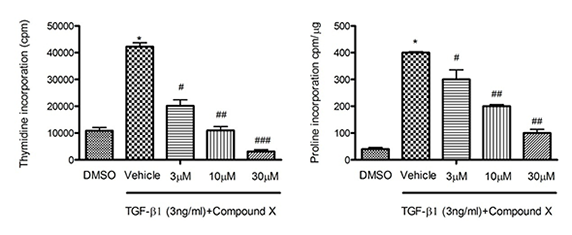
In addition to in vivo animal models, in vitro cell models of kidney disease and fibrosis, including primary cells and cell lines, play important roles in evaluating efficacy. Combined with our integrated in vitro assay platform, feasible, cost-efficient and high-throughput options are offered for compound screening and MOA studies.
Figure 4 demonstrates the anti-proliferative (left) and anti-fibrotic (right) effects of Compound X in vitro when TGF-β1 stimulated the cells.
Kidney and Liver Disease Characterization & Assessments
Comprehensive characterization of kidney and liver disease models supports evaluation of disease progression, therapeutic efficacy, and mechanism of action. WuXi Biology and Testing integrates functional, metabolic, imaging, molecular, biomarker, and pathological assessments that can be tailored to the selected disease model, therapeutic mechanism, and study objectives.
These capabilities are complemented by kidney and liver tissue resources and transcriptomics data to support biomarker evaluation, disease characterization, and translational studies.
Metabolic and Physiological Assessments
Metabolic and physiological assessments support the characterization of systemic and disease-related changes across kidney and liver models. They can be integrated based on the specific disease model and study design.
Capabilities include:
- Body weight and tissue weight
- Food and water intake
- Body composition
- Energy expenditure
- Blood glucose and oral glucose tolerance testing (OGTT)
- Serum lipid analysis
- Metabolic cage studies
- Noninvasive blood pressure monitoring
Kidney and Liver Function & Biomarkers
Functional and biomarker assessments provide quantitative measures of kidney and liver injury, disease progression, and therapeutic response across in vivo studies.
Capabilities include:
- Glomerular filtration rate (GFR)
- Serum creatinine and blood urea nitrogen (BUN)
- Proteinuria and urinary biomarkers
- Kidney injury molecule-1 (KIM-1) and other renal tubular biomarkers
- Alanine aminotransferase (ALT) and aspartate aminotransferase (AST)
- Liver-specific biomarkers
- Hydroxyproline and collagen measurements
- Disease- and mechanism-specific biomarker analysis
Imaging and Pathology
Imaging and pathological assessments enable morphological and quantitative characterization of tissue injury, inflammation, fibrosis, metabolic changes, and therapeutic response across kidney and liver disease models.
Capabilities include:
- Ultrasound
- Micro-computed tomography (micro-CT)
- Electron microscopy
- Hematoxylin and eosin (H&E) staining
- Periodic acid–Schiff (PAS) staining
- Sirius Red staining
- Masson's Trichrome staining
- Immunohistochemistry (IHC)
- α-SMA and other disease-relevant markers
- Quantitative and digital pathology
Molecular and Cellular Characterization
Molecular and cellular analyses complement functional and pathological endpoints to support disease characterization, biomarker evaluation, and mechanism-of-action studies.
Capabilities include:
- qPCR/PCR and gene expression analysis
- RNA sequencing and transcriptomic analysis
- Next-generation sequencing (NGS)
- Western blot
- ELISA
- Protein and metabolite profiling
- Mass spectrometry
- Flow cytometry
- Cellular-level analysis
Tissue and Data Resources
Kidney and liver disease platforms are supported by tissue resources and transcriptomics data that can facilitate disease characterization, biomarker assessment, and mechanism-of-action studies. Available hepatobiliary resources also include positive drug efficacy data to support model selection and study design.
Explore Solutions for Your Program
Explore solutions by development phase, drug modality, therapeutic area, or integrated discovery needs.
You May Also Be Interested In


Get a Quote
Ready to plan your next study? Share your program needs with our team for a tailored estimate.