
In Vitro Toxicology
In Vitro Toxicology Testing and Evaluation
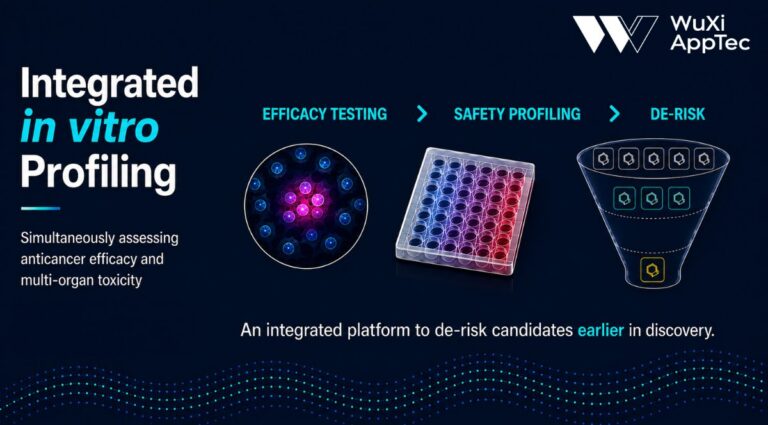
In vitro toxicology evaluates the safety of chemical substances using cellular, tissue-based, and functional models to predict human-response outcomes.
WuXi Biology and Testing provides a broad portfolio of in vitro toxicology capabilities spanning cellular and organ-specific toxicity, electrophysiology and cardiac safety, mitochondrial toxicity, and phototoxicity.
As New Approach Methodologies (NAMs) continue to evolve, we are actively expanding our platform to integrate cutting-edge in silico, in chemico, and in vitro models, delivering safer, faster, and more predictive human-relevant safety data.
By the Numbers
Years of In Vitro Toxicology Experience
Safety Assessment Staff
Safety Assessment Studies Conducted/Year
Cellular and Organ-Specific Toxicity
Evaluate potential cellular and organ-specific liabilities using fit-for-purpose in vitro models and endpoints. Capabilities span general cytotoxicity and hepatic, renal, pulmonary, neurological, and mitochondrial toxicity assessment, supporting characterization of compound-related effects and mechanistic follow-up.
Assess compound-related cytotoxicity using primary cells and established cell lines to characterize cellular health and concentration-dependent effects. Available approaches include measurements of cellular ATP, cytoplasmic enzyme release, mitochondrial metabolism, and other viability endpoints.
Evaluate potential drug-induced liver toxicity using primary hepatocytes and advanced liver models to characterize hepatic liabilities and support compound evaluation.
Assessments can include:
- Hepatocyte viability
- Steatosis and phospholipidosis
- Metabolic and functional endpoints
- Advanced 3D liver models
Assess potential renal toxicity using relevant kidney cell models and concentration-response testing to characterize compound-related effects and support evaluation of safety margins.
Available approaches include HK-2 human renal proximal tubular cell-based assessment, with toxicity data that can be integrated with efficacy measurements to support therapeutic-index evaluation and compound differentiation.
Evaluate potential pulmonary liabilities using normal human lung cell models and concentration-response profiling to characterize compound-related toxicity across relevant pulmonary cell types.
Available models include:
- HFL-1 human lung fibroblasts
- MRC-5 human lung fibroblasts
- BEAS-2B human bronchial epithelial cells
Evaluate potential neurological safety liabilities using cell-based approaches to identify compound-related effects and support toxicity characterization and mechanistic follow-up
Investigate potential mitochondrial dysfunction using cellular and functional assays to identify mitochondrial liabilities and distinguish mitochondrial-specific effects from general cytotoxicity.
In Vitro Electrophysiology Testing and Evaluation
When ventricular repolarization is delayed and the QT interval is prolonged, there is an increased risk of ventricular tachyarrhythmia, including torsade de pointes (TdP). Prolongation of the QT interval can result from the inhibition of the hERG potassium channel current while inhibition of sodium and calcium channel currents can modulate this effect.
WuXi Biology and Testing provides GLP and non-GLP in vitro electrophysiology capabilities to evaluate compound effects on cardiac ion channels and support the characterization of potential proarrhythmic risk.
Comprehensive In Vitro Proarrhythmia Assay (CiPA)
When ventricular repolarization is delayed and the QT interval is prolonged, there is an increased risk of ventricular tachyarrhythmia, including torsade de pointes (TdP). Prolongation of the QT interval can result from inhibition of the hERG potassium channel current, while sodium and calcium channel currents can also contribute to cardiac electrophysiological effects.
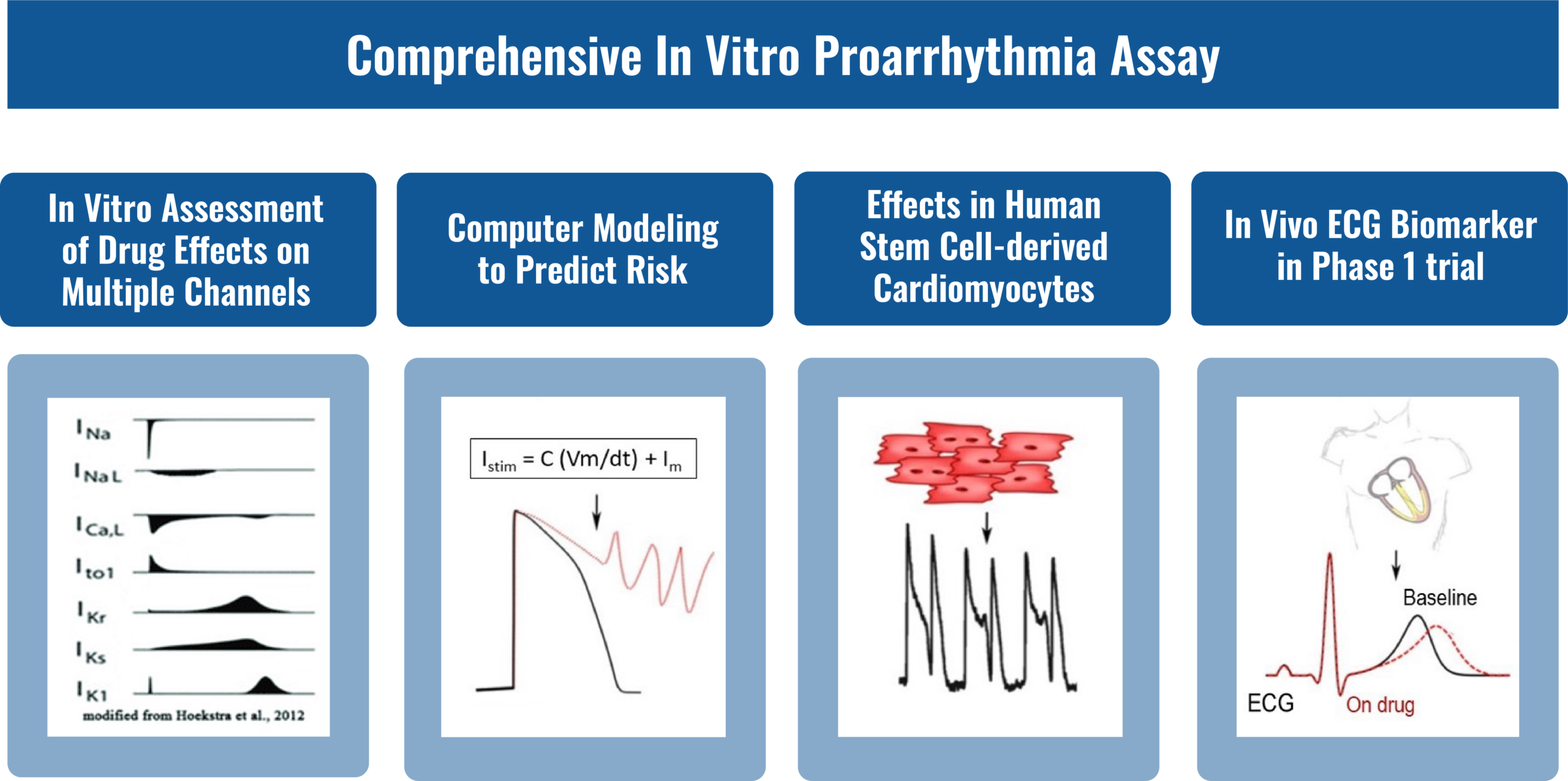
The Comprehensive In Vitro Proarrhythmia Assay (CiPA) provides an integrated approach to assessing proarrhythmic risk using multiple complementary methods, including multi-ion channel assays, computational modeling, and human stem cell-derived cardiomyocyte assays.
WuXi Biology and Testing provides multi-ion channel assays together with complementary cardiac electrophysiology capabilities, including stem cell-derived cardiomyocyte assessment, to support cardiac safety evaluation.
GLP or Non-GLP In Vitro Electrophysiology Assay
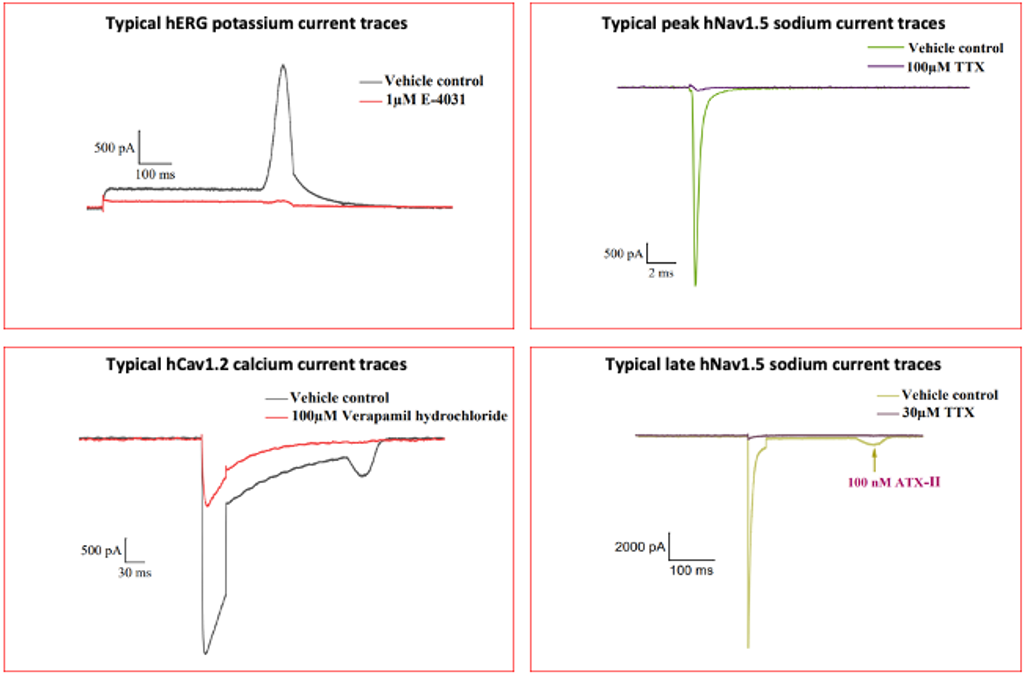
In vitro electrophysiology assays provide crucial insights into the electrical activity of compounds, helping to assess their potential impact on cardiac ion channels and overall safety profiles. Our standard battery of electrophysiology assays include both GLP and non-GLP assays:
- hERG assay: Evaluates the potential of compounds to block the hERG potassium ion channel.
- Peak hNav1.5 assay: Measures the effects of compounds on the peak sodium current through the hNav1.5 channel, involved in cardiac action potentials.
- Late hNav1.5 assay: Assesses compounds' effects on the late sodium current through the hNav1.5 channel, relevant for understanding arrhythmia risks.
- hCav1.2 assay: Examines compounds' interactions with the hCav1.2 calcium ion channel, involved in cardiac action potentials.
Phototoxicity Testing and Evaluation
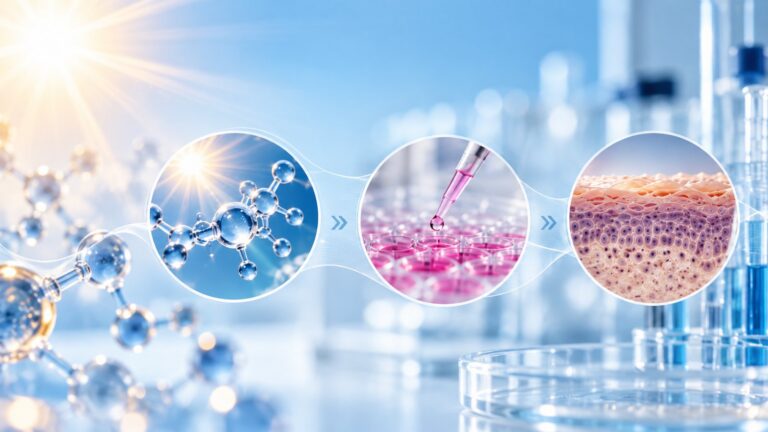
Phototoxicity is defined as a toxic response elicited by topically or systemically administered photoreactive chemicals after the body’s exposure to environmental light.
Phototoxicity Testing Capabilities
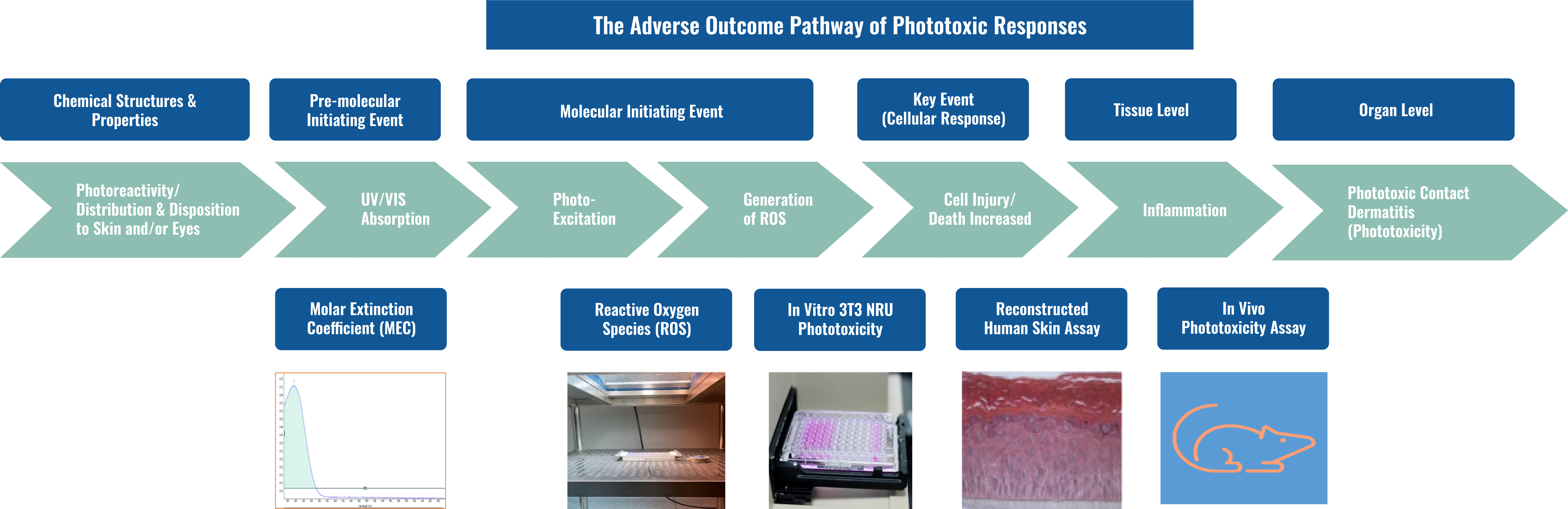
As a part of our GIVT department, we also provide a comprehensive phototoxicity evaluation in collaboration with the analytical and in vivo toxicology team. The evaluation ranges from the photochemical properties, in vitro to in vivo assays.
With New Approach Methodologies (NAMs) gaining increasing attention, GIVT is keeping pace with the scientific and regulatory communities to explore the potential of NAMs (e.g., irritation/corrosion/sensitization, other NAMs adopting 2D, 3D, and organoids).
GLP or Non-GLP Phototoxicity Assays
Phototoxicity assays evaluate the potential of substances to cause skin irritation under light exposure. Our standard battery of phototoxicity assays include both GLP and non-GLP assays:
- MEC
- ROS
- 3T3 NRU phototoxicity assay
- 3D RhE phototoxicity assay
- In vivo phototoxicity assay
In Vitro Toxicology Reporting
At WuXi Biology and Testing, we leverage an automated reporting system to draft reports and have a dedicated study director group for report checking and peer-reviewing. Our team is committed to providing high-quality study data and delivering the reports to meet your timeline.

Explore Solutions for Your Program
Explore solutions by development phase, drug modality, therapeutic area, or integrated discovery needs.

Get a Quote
Ready to plan your next study? Share your program needs with our team for a tailored estimate.
You May Also Be Interested In


Frequently Asked Questions
In vitro toxicology testing involves evaluating the potential toxicity of substances using cells or tissues outside the body to predict their effects on humans or the environment.
In vitro testing uses cells or tissues in controlled laboratory conditions, while in vivo testing involves testing on living organisms.
In vitro testing can be faster, more cost-effective, and reduce the need for animal testing while providing insights into specific mechanisms of toxicity.
In vitro electrophysiology assays measure the effects of substances on electrical activity in cells, often used to assess cardiac safety or neuronal function.
These assays help predict potential cardiac side effects of drugs by assessing their impact on ion channels responsible for heart function.
CiPA assays assess the proarrhythmic potential of drugs by integrating data from multiple assays, including electrophysiology and computational modeling.
In vitro proarrhythmia assays provide more mechanistic insights into drug effects on cardiac ion channels, potentially improving prediction of arrhythmia risks compared to traditional methods.
Phototoxicity testing evaluates the potential of substances to cause toxic effects when exposed to light. This ensures safety for substances that will be exposed to light during use.
Commonly used cells include human cell lines, primary cells, or engineered tissues that mimic specific organs or physiological systems.
Regulatory agencies increasingly accept in vitro testing data for hazard identification and risk assessment in drug development and chemical safety evaluations.
In vitro testing may not fully replicate the complexity of biological systems in vivo, and standardization of methods and validation are ongoing challenges.
By providing early-stage toxicity data, in vitro testing can reduce the reliance on animal testing, aligning with ethical and regulatory trends towards animal welfare.
Factors include relevance to the substance being tested, the biological system being mimicked, scalability, reproducibility, and regulatory acceptance.
Advances include microfluidic systems, organ-on-a-chip models, and high-throughput screening techniques, enhancing predictive capabilities and efficiency.
Integrating in vitro testing early can identify potential toxicities, inform compound optimization, and reduce the likelihood of late-stage failures in clinical trials.