
Oncology and Immunology Drug Discovery Services
Accelerating Oncology and Immunology Drug Discovery
Advancing oncology and immunology therapies requires robust disease models, translational insights, and integrated scientific expertise. WuXi Biology and Testing provides comprehensive discovery biology services designed to support the development of innovative cancer immunotherapies, targeted therapies, biologics, cell therapies, and small molecules from target validation through candidate selection.
Our experienced scientists leverage clinically relevant in vitro and in vivo models, advanced biomarker analysis, and translational research to accelerate projects focused on cancer and autoimmune diseases.
Animal Models Representing Cancer, Autoimmune, Rare Genetic Disease
CDX Models in Mouse
Clinical Biomarkers
Meaningful, Actionable Data
Comprehensive Solutions for Complex Therapeutic Programs
Cancer and immune-mediated diseases continue to present significant scientific challenges, requiring innovative approaches to therapeutic discovery. We combine deep disease biology expertise with advanced pharmacology platforms to help clients evaluate therapeutic candidates across diverse mechanisms of action. From early target validation through translational pharmacology, our integrated approach helps generate meaningful and actionable data that informs critical development decisions while accelerating timelines.
Our Multidisciplinary Teams Support Programs Involving:
- Small molecule therapeutics
- Monoclonal antibodies
- Bispecific antibodies
- Antibody-drug conjugates (ADCs)
- Cell therapies
- Protein degraders
- Cytokines
- Immune checkpoint inhibitors
- Radiopharmaceuticals
- Next-generation immunotherapies
Addressing Scientific Challenges Throughout Drug Discovery
Challenges
- Limited target validation
- Poor translational relevance
- Difficult biomarker identification
Solutions
- Disease-relevant cellular assays
- Mechanistic biology studies
- Biomarker discovery strategies
- Target validation expertise
Challenges
- Target engagement uncertainty
- Functional activity assessment
- Species selection
Solutions
- Human primary cell assays
- Functional immune assays
- Translational biomarker evaluation
- Customized pharmacology models
Challenges
- Predicting anti-tumor efficacy
- Tumor heterogeneity
- Resistance mechanisms
Solutions
- Xenograft tumor models
- Syngeneic mouse models
- Patient-derived xenografts (PDX)
- Mechanistic pharmacology studies
Challenges
- Immune system complexity
- Cytokine biology
- Translational predictability
Solutions
- Autoimmune disease models
- Humanized animal models
- Immune cell profiling
- Cytokine analysis
Comprehensive Oncology Drug Discovery Services
WuXi Biology and Testing supports oncology drug discovery with a broad portfolio of in vitro and in vivo pharmacology models designed to evaluate anti-tumor efficacy, mechanism of action, and translational potential. Our oncology scientists work closely with sponsors to develop customized strategies that accelerate candidate selection and reduce development risk.
Our capabilities include:
- Target validation and mechanism studies
- Cell phenotype and function Assays
- Advanced cell models including tumor organoids
- In vitro Immune cell functional assays
- Cancer model development and efficacy evaluation
- PK/PD analysis
- Biomarker discovery and profiling
To better predict clinical outcomes, we utilize a diverse portfolio of disease-relevant models, including syngeneic, xenograft, orthotopic, metastatic, and acquired or de novo resistant models.
Advanced Immunology Research Platforms
The successful development of immunotherapies requires a deep understanding of immunobiology and disease mechanisms. We offer integrated immunology platforms that enable researchers to evaluate immune responses, characterize mechanisms of action, and identify biomarkers that support translational research.
Our immunology expertise spans:
- Autoimmune diseases
- Inflammatory disorders
- Immune-oncology
- Fibrosis
- Infectious diseases
- Cytokine biology
- Innate and adaptive immune responses
We leverage primary human immune cells, advanced flow cytometry, multiplex cytokine analysis, immune phenotyping, and molecular immunology techniques to provide comprehensive insights into therapeutic activity.
Whether evaluating biologics, bispecific antibodies, cell therapies, or novel immune modulators, our experienced scientists generate high-quality data that supports confident decision-making throughout drug discovery.
Capabilities at a Glance
- Library-based target ID
- Biochemical & cell-based assays
- 320+ CDX models in mouse
- 50+ Tumor models in rat and hamster
- 40+ Orthotopic models
- 30+ Metastasis models
- 80+ Syngeneic models
- 90+ Humanized IO models
- 30+ Immune functional assays
- Multiplex pathology analysis
- Flow-cytometry and full-spectral Flow
- NanoString, and scRNAseq
- CAP Pathology & FACS lab
- 200+ Clinical biomarkers
- GEAM and rare disease models
- Tumor bone metastasis model
- Integrated in vitro/in vivo OVA system for cancer vaccine discovery
- OncoWuXi tumor model database
Related Services
Our oncology and immunology capabilities are strengthened by fully integrated discovery and development services that support every stage of your therapeutic program — from target identification through IND-enabling studies.
Discovery Biology
Discover disease biology, validate therapeutic targets, and evaluate efficacy using advanced in vitro and in vivo pharmacology platforms.
Learn More
DMPK
Characterize absorption, distribution, metabolism, excretion, and PK/PD relationships to support lead optimization and candidate selection.
Learn More
Bioanalysis
Develop and validate sensitive bioanalytical methods that support pharmacokinetic, biomarker, and immunogenicity studies.
Learn More
Safety Assessment
Advance promising oncology and immunology candidates with integrated toxicology and IND-enabling safety assessment services.
Learn More
You May Also Be Interested In
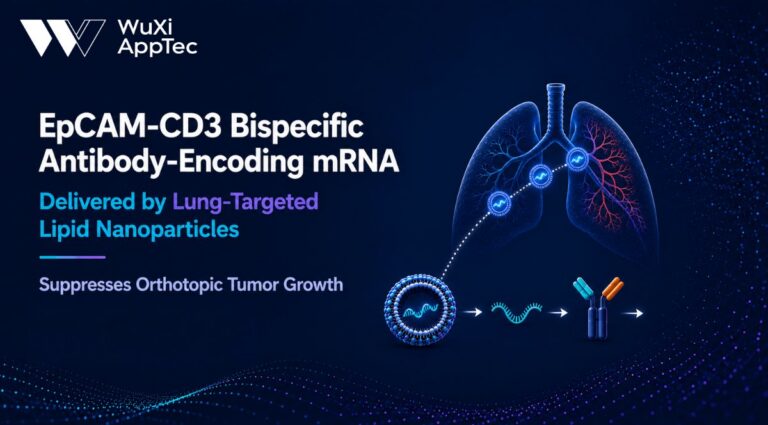

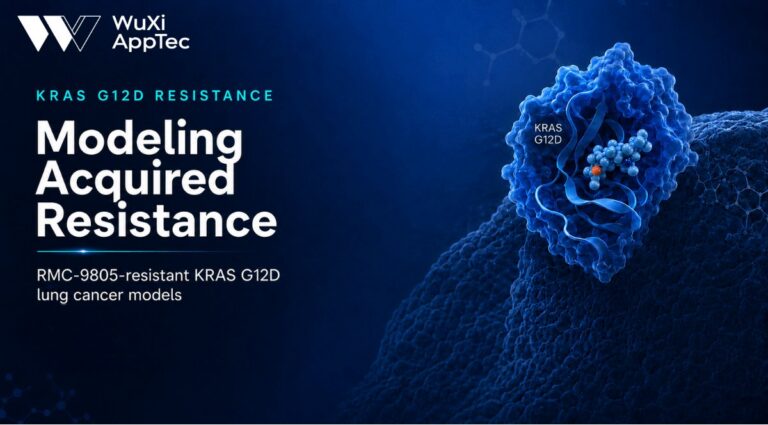

Discuss Your Program with Us
Share your development goals and key challenges with our experts to define the right path forward.
Frequently Asked Questions
WuXi Biology and Testing provides integrated oncology discovery services including target discovery, assay development, efficacy evaluation, PKPD analysis, biomarker identification and translational researches to support candidate selection, lead optimization and IND enabling studies.
Our oncology platform offers a comprehensive suite of models, including in vitro cellular systems (such as 3D cultures and tumor organoids), diverse in vivo models (including syngeneic, xenograft, orthotopic, metastatic, and humanized mouse models), as well as highly specialized drug-resistant models. These integrated platforms enable researchers to evaluate therapeutic efficacy across a wide range of tumor types and mechanisms of action (MoA).
Yes. We offer comprehensive immuno-oncology capabilities including immune checkpoint evaluation, immune cell profiling, cytokine analysis, tumor microenvironment characterization, and humanized animal models to support the development of next-generation cancer immunotherapies.
Our immunology platforms support autoimmune diseases, inflammatory disorders, fibrosis, infectious diseases, and immune-mediated conditions using advanced cellular assays, animal models, molecular biology, and biomarker analysis.
Yes. We support small molecules, monoclonal antibodies, bispecific antibodies, antibody-drug conjugates (ADCs), cytokines, cell therapies, gene therapies, protein degraders, radiopharmaceuticals, and other emerging therapeutic modalities.
By combining disease-relevant models with biomarker discovery, PK/PD analysis, and integrated pharmacology studies, we help bridge the gap between preclinical findings and clinical development to improve confidence in preclinical candidate (PCC) nomination.
Yes. WuXi Biology and Testing’s ADME, bioanalytical, and safety assessment teams, work together seamlessly to provide a streamlined path from discovery biology through IND-enabling studies.
Our scientists evaluate pharmacodynamic, predictive, mechanistic, and translational biomarkers using flow cytometry, immunohistochemistry, ELISA, multiplex cytokine analysis, genomic profiling, and molecular biology techniques.