
Specialty Toxicology Services
Address complex safety questions with specialized toxicology studies designed to support diverse therapeutic modalities and regulatory requirements. WuXi Biology and Testing provides comprehensive specialty toxicology services that help sponsors evaluate unique safety risks, generate regulatory-ready data, and advance drug candidates with confidence.
Specialized Toxicology Solutions for Complex Drug Development Programs
While standard repeat-dose toxicology studies provide the foundation for safety assessment, many drug candidates require additional evaluations to address modality-specific risks, target populations, or regulatory expectations. Specialty toxicology studies provide deeper insight into potential adverse effects that may not be fully characterized through conventional testing alone.
WuXi Biology and Testing Laboratory Testing Division offers integrated specialty toxicology services supporting small molecules, biologics, vaccines, peptides, oligonucleotides, antibody-drug conjugates (ADCs), cell and gene therapies, and other advanced therapeutics. Our multidisciplinary scientists design customized study strategies that align with global regulatory guidance while addressing the unique scientific challenges of each development program.
Why Specialty Toxicology Matters
As drug modalities become increasingly sophisticated, toxicology strategies must evolve to address unique mechanisms of action and novel safety considerations. Specialty toxicology studies help identify risks that may not be detected in standard toxicology programs, providing additional information needed for regulatory submissions and informed clinical development.
Early integration of specialty toxicology can reduce development uncertainty, improve study design, and support successful interactions with regulatory agencies.
Specialty Toxicology Services
Developmental and Reproductive Toxicology (DART)
Evaluate the potential effects of drug candidates on fertility, embryo-fetal development, and pre- and postnatal development. Our DART studies are designed to support regulatory requirements while helping sponsors understand reproductive safety risks throughout development.
Juvenile Toxicology
Support pediatric drug development through juvenile animal studies designed to evaluate safety during growth and development. Study designs are tailored to therapeutic indication, target patient population, and regulatory expectations.
Immunotoxicology
Assess the potential effects of drug candidates on immune system function through specialized immunological endpoints, biomarker analysis, immune cell characterization, and pathology evaluations.
Carcinogenicity Assessment
Support long-term safety evaluations through carcinogenicity testing strategies and integrated pathology assessments designed to meet regulatory guidance for chronic therapeutic programs.
Ocular Toxicology
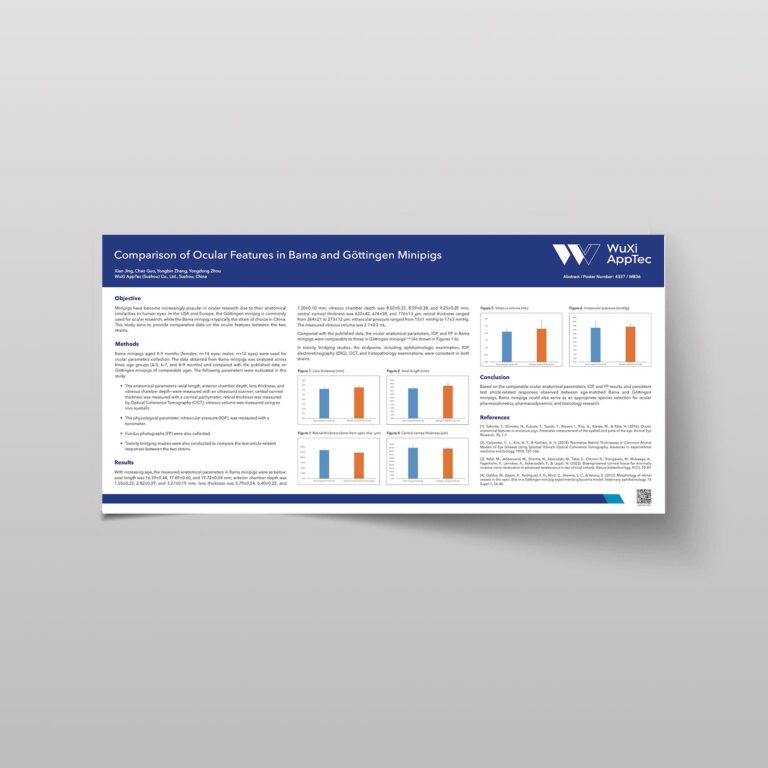
Evaluate ocular safety for ophthalmic therapies and systemically administered products with potential ocular effects. Integrated pathology and ophthalmic assessments help characterize treatment-related findings.
Vaccine Toxicology
Support prophylactic and therapeutic vaccine programs through specialized toxicology studies evaluating local tolerance, systemic safety, immunotoxicity, and vaccine-specific safety endpoints.
Phototoxicity and Dermal Toxicology
Evaluate dermal irritation, sensitization, phototoxicity, and related safety endpoints for compounds with topical administration or photosensitivity concerns.

Explore Solutions for Your Program
Explore solutions by development phase, drug modality, therapeutic area, or integrated discovery needs.
You May Also Be Interested In




Get a Quote
Ready to plan your next study? Share your program needs with our team for a tailored estimate.
Frequently Asked Questions
Specialty toxicology includes studies designed to evaluate specific safety concerns beyond standard toxicology testing. These studies may assess reproductive toxicity, immunotoxicity, juvenile safety, carcinogenicity, ocular toxicity, or other specialized endpoints depending on the therapeutic modality and regulatory requirements.
Specialty toxicology studies are typically conducted when required by regulatory agencies, when a therapeutic modality presents unique safety concerns, or when a drug's mechanism of action warrants additional investigation.
Many advanced therapeutics—including gene therapies, cell therapies, antibody-drug conjugates, vaccines, peptides, and oligonucleotides—benefit from customized specialty toxicology strategies due to their unique biological characteristics.
Yes. Our scientists collaborate with sponsors to develop study designs tailored to each therapeutic modality, development stage, and regulatory objective.