
Oncolytic Viruses
Accelerating the Development of Oncolytic Virus Therapies
Oncolytic virus (OV) therapy is emerging as a promising approach for the treatment of cancer by combining targeted tumor destruction with activation of the body's immune system. Unlike conventional therapies, oncolytic viruses are designed to selectively infect and/or selectively replicate within tumor cells, causing direct tumor cell lysis while releasing progeny viruses that can continue to infect neighboring cancer cells. At the same time, viral infection stimulates anti-tumor immune responses that help the immune system recognize and eliminate malignant cells.
As research continues to demonstrate the potential of oncolytic virotherapy, combination strategies with immune checkpoint inhibitors, chemotherapy, targeted therapies, and other immunotherapies are showing enhanced anti-tumor efficacy across multiple cancer types.
Successfully advancing an oncolytic virus candidate requires specialized expertise across discovery biology, pharmacology, bioanalysis, biodistribution, immunogenicity, safety assessment, and regulatory development. WuXi Biology and Testing provides integrated solutions that support every stage of development — from virus engineering and preclinical characterization through IND-enabling studies helping sponsors accelerate innovative cancer therapies toward the clinic.
How Oncolytic Viruses Work
Oncolytic viruses are a unique class of immuno-oncology therapeutics that harness the natural ability of viruses to infect cells while being engineered or selected to preferentially target cancer cells. Their therapeutic activity is driven by two complementary mechanisms that work together to eliminate tumors.
Direct Tumor Cell Lysis
After infecting tumor cells, oncolytic viruses replicate within the cancer cell until it ruptures (lyses), releasing newly generated viral particles. These progeny viruses can then spread throughout the tumor, infecting neighboring cancer cells and amplifying the anti-tumor effect while largely sparing normal tissues.
Activation of Anti-Tumor Immunity
Beyond direct tumor destruction, viral infection stimulates the host immune system by releasing tumor-associated antigens and inflammatory signals. This activates both innate and adaptive immune responses, promoting the recruitment of immune cells that recognize and attack remaining tumor cells throughout the body.
Opportunities for Combination Therapy
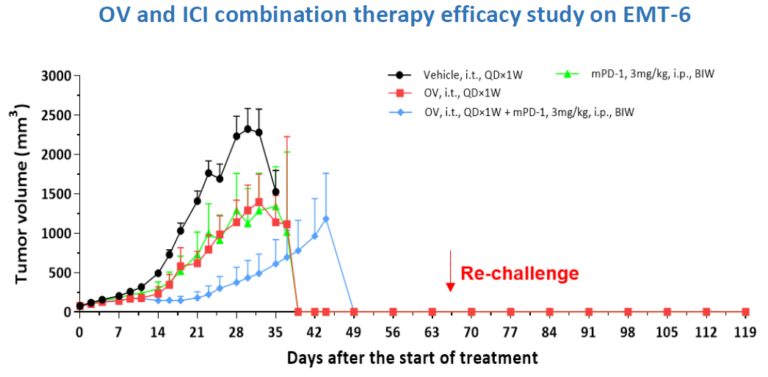
Because oncolytic viruses both destroy tumor cells and stimulate immune activation, they are increasingly being evaluated in combination with immune checkpoint inhibitors, targeted therapies, chemotherapy, radiation, and other immunotherapies. These combination approaches have demonstrated the potential to improve therapeutic responses while expanding treatment options for patients with difficult-to-treat cancers.
Developing these complex therapies requires comprehensive characterization of viral biology, immune responses, efficacy, biodistribution, viral shedding, and safety. WuXi Biology and Testing provides integrated discovery biology and laboratory testing services to generate the data needed to confidently advance oncolytic virus candidates into clinical development.
Oncolytic Virus Discovery and Candidate Optimization
Successful oncolytic virus development begins with selecting or engineering viral candidates that combine potent anti-tumor activity with favorable safety characteristics. Identifying the right viral backbone, optimizing molecular variants, and evaluating tumor selectivity early in development can improve candidate selection and reduce downstream development risk.
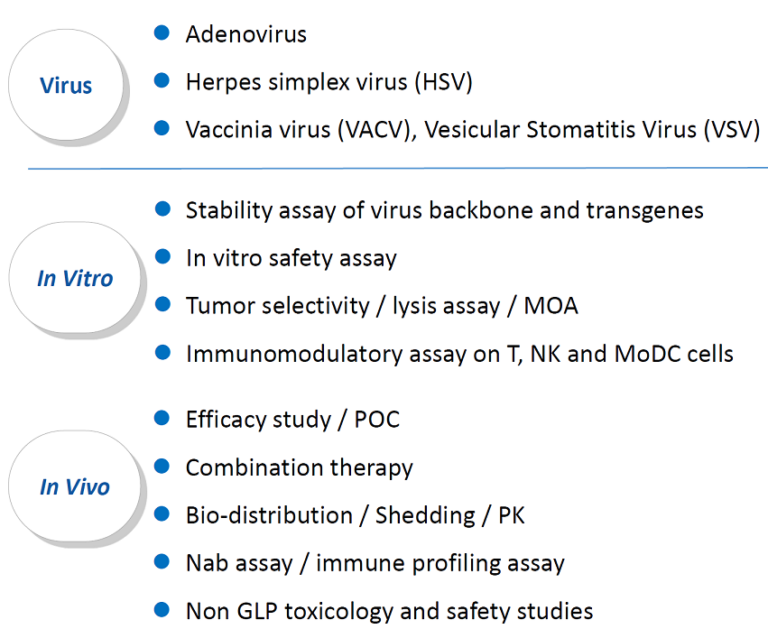
WuXi Biology and Testing provides integrated discovery biology capabilities to support the design, optimization, and characterization of oncolytic virus candidates. Our scientists work with multiple viral platforms, including adenovirus, herpes simplex virus (HSV), vaccinia virus (VACV), vesicular stomatitis virus (VSV) and so on, to evaluate viral specificity, replication, and therapeutic potential.
Our discovery capabilities include:
- Viral engineering and candidate optimization
- Evaluation of tumor selectivity and viral specificity
- Target gene expression level analysis
- Molecular variant assessment
- Viral replication kinetics and passage stability
- Tumor cell cytotoxicity studies
- Lead candidate screening and selection
By generating early efficacy and mechanistic data, sponsors can confidently prioritize candidates for in vivo evaluation and IND-enabling development.
In Vitro Assays
Comprehensive in vitro testing is essential for understanding how an oncolytic virus interacts with tumor cells and the immune system. Beyond measuring viral infectivity, these studies help characterize mechanisms of action, immune activation, transgene expression, and biosafety while generating data that supports candidate optimization.
WuXi Biology and Testing offers a comprehensive suite of in vitro assays designed specifically for oncolytic virus development. These studies evaluate both the direct oncolytic effects of the virus and its ability to stimulate anti-tumor immune responses.
In Vitro Assays:
- Titration of virus by plaque, TCID50, and qPCR assays
- Replication kinetics of recombinant OV
- Assessment of exogenous gene expression by flow cytometry, ELISA or MSD
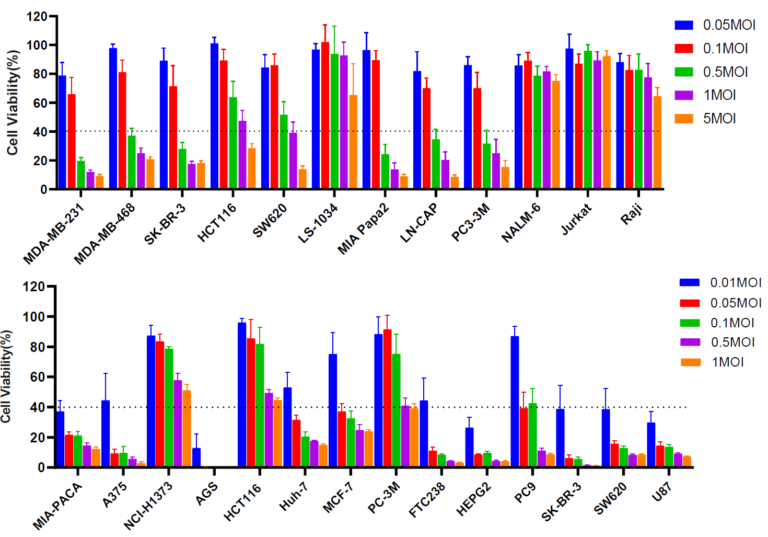
- Study of virus specificity with selectivity and cytotoxicity function against tumor cells
- Identify target gene expression level
- OV-related immunogenicity includes both anti-virus and anti-transgene
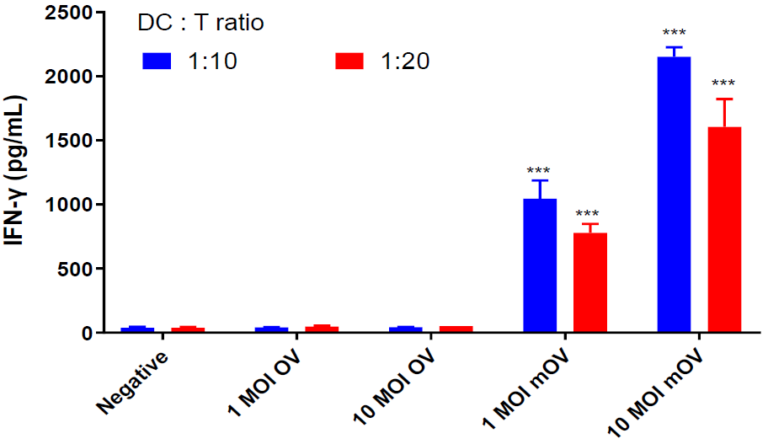
- OV-related immune cell activation and cytokine release using T cells, NK cells and monocyte-derived dendritic cells
- Assessment of biosafety
Together, these studies provide critical insights into biological activity while supporting optimization before in vivo testing.
In Vivo Pharmacology and Preclinical Development
Predictive animal models are critical for demonstrating therapeutic efficacy and characterizing the biological behavior of oncolytic viruses before clinical development. In addition to evaluating anti-tumor activity, sponsors must understand viral biodistribution, persistence, shedding, immune responses, and overall safety to satisfy regulatory expectations.
WuXi Biology and Testing provides integrated in vivo pharmacology and laboratory testing solutions that support every stage of preclinical development. Our validated oncology models and specialized laboratory capabilities generate the translational data needed to advance promising candidates into IND-enabling studies.
Our capabilities include:
- In Vivo Pharmacology
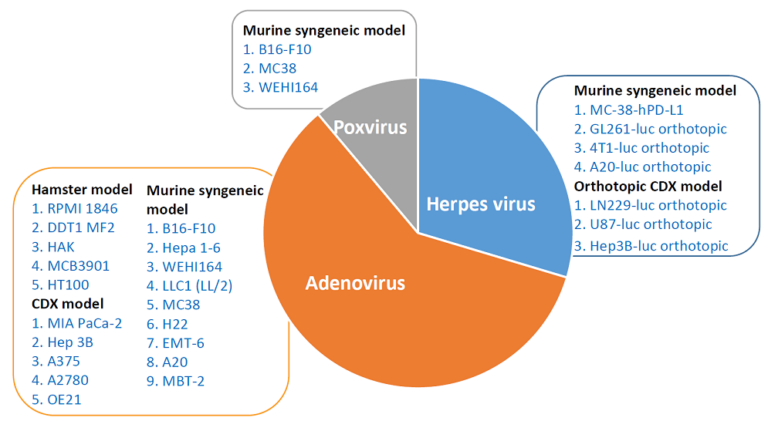
- Syngeneic tumor models
- Humanized mouse models
- CDX efficacy models
- Metastatic models
- Combination therapy studies
- Pharmacodynamic biomarker analysis
- Immune cell infiltration profiling
- Preclinical Characterization
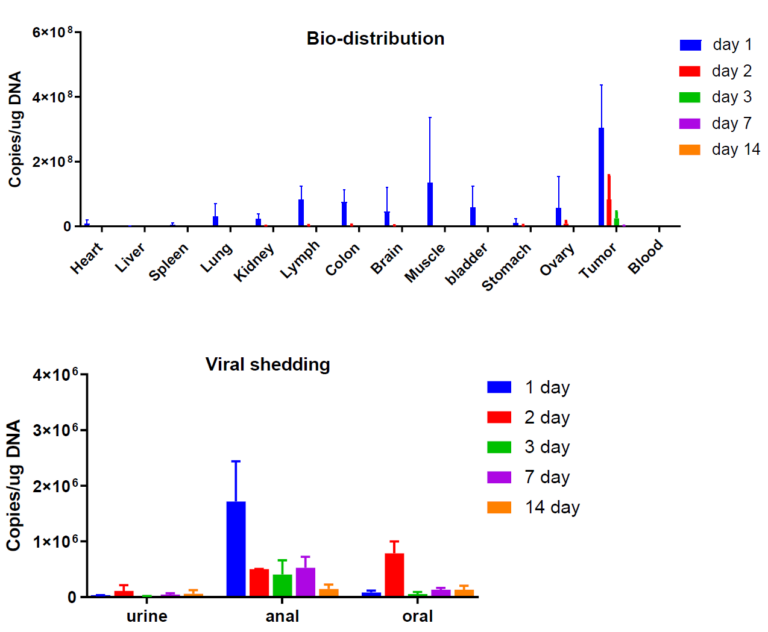
- Biodistribution studies
- Viral shedding assessments
- PK analysis of transgene expression
- Immunogenicity evaluation
- Immunotoxicity testing
- Bioanalytical assay development
- qPCR-based viral quantification
- GLP toxicology and pathology support
By integrating discovery biology with bioanalysis and safety assessment, WuXi Biology and Testing helps sponsors generate the comprehensive efficacy and safety data required to confidently progress oncolytic virus therapies toward clinical development.
Related Services
Accelerate your oncolytic virus program with integrated capabilities spanning discovery biology, bioanalysis, DMPK, and safety assessment. Our multidisciplinary teams work together to generate the data needed to confidently advance therapies from early discovery through IND-enabling studies.
Discovery Biology
Advance oncolytic virus candidates with integrated discovery biology, efficacy models, and immune function studies.
Learn More
DMPK
Characterize viral biodistribution, persistence, and PK/PD to support informed development decisions.
Learn More
Bioanalysis
Quantify viral genomes, biomarkers, and immune responses using specialized bioanalytical methods.
Learn More
Safety Assessment
Evaluate biodistribution, viral shedding, immunogenicity, and toxicology to support IND-enabling development.
Learn More
You May Also Be Interested In




Discuss Your Program with Us
Share your development goals and key challenges with our experts to define the right path forward.
Frequently Asked Questions
Oncolytic viruses are naturally occurring or genetically engineered viruses that selectively infect, and/or selectively replicate within, and destroy cancer cells while sparing most normal tissues. In addition to directly lysing tumor cells, they stimulate the immune system to recognize and attack cancer cells, making them a promising class of immuno-oncology therapies.
Oncolytic viruses work through two complementary mechanisms. First, they infect and replicate within tumor cells, causing the cells to rupture and release new viral particles that spread to neighboring cancer cells. Second, they stimulate innate and adaptive immune responses by releasing tumor antigens and inflammatory signals, helping the immune system recognize and eliminate cancer cells.
Developing oncolytic virus therapies requires addressing challenges such as optimizing viral engineering, demonstrating tumor selectivity, evaluating immune activation, selecting predictive animal models, and characterizing biodistribution, viral shedding, immunogenicity, and safety before clinical trials.
Biodistribution studies determine where an oncolytic virus travels after administration, how long it persists in tissues, and whether it reaches non-target organs. These data help evaluate safety and efficacy, understand viral behavior, and support regulatory submissions.
Viral shedding studies assess whether virus particles are released from treated animals through biological fluids or excreta. These studies are an important component of the safety assessment for oncolytic viruses and help evaluate potential environmental and transmission risks.
Yes. Oncolytic viruses are increasingly being evaluated in combination with immune checkpoint inhibitors, chemotherapy, radiation therapy, targeted therapies, and other immunotherapies. Combination approaches may enhance anti-tumor activity by improving immune activation and therapeutic response, i.e., turning cold tumors into hot tumors.
The studies required depend on the therapeutic platform and regulatory strategy but typically include discovery biology, in vitro characterization, efficacy studies, biodistribution, viral shedding, immunogenicity, bioanalysis, toxicology, safety pharmacology, pathology, and other IND-enabling studies.
Several popular viral platforms are being developed as oncolytic therapies, including adenovirus, herpes simplex virus (HSV), vaccinia virus, and other engineered viruses. Each platform offers unique advantages related to tumor targeting, transgene delivery, immune activation, and manufacturing considerations.
WuXi Biology and Testing provides integrated support across the entire development lifecycle—from virus engineering and discovery biology through bioanalysis, DMPK, biodistribution, safety assessment, pathology, and IND-enabling studies. Our multidisciplinary teams help sponsors generate the comprehensive data needed to confidently advance oncolytic virus therapies toward clinical development.