
In Vivo Autoimmune & Inflammatory Disease Models
Disease-Relevant In Vivo Models for Immune Research
In vivo autoimmune and inflammatory disease models help determine whether therapeutic activity observed in in vitro assays translate into efficacy in animal models. WuXi Biology and Testing supports disease-relevant models spanning autoimmune arthritis, neuroinflammation, gastrointestinal inflammation, dermatologic disease, respiratory inflammation, systemic inflammation, and other immune-mediated conditions.
Study designs can be tailored to therapeutic mechanism, disease biology, and preclinical development stage, with endpoints such as clinical disease scores, cytokine and chemokine profiles, immune-cell phenotyping, histopathology, tissue biomarkers, and pharmacodynamic readouts. These data support efficacy assessment, mechanism-of-action evaluation, candidate selection, and preclinical decision-making.
Autoimmune and Inflammatory Disease Animal Models
Selecting an appropriate autoimmune or inflammatory disease model requires alignment between the therapeutic mechanism, the biology represented by the model, and the endpoints needed to answer the study question. Our portfolio includes acute and chronic models across neurological, musculoskeletal, dermatologic, gastrointestinal, respiratory, and systemic immune-mediated diseases, with customized efficacy and pharmacodynamic assessments.
Neuroinflammation and Experimental Autoimmune Encephalomyelitis (EAE) Models
Experimental autoimmune encephalomyelitis (EAE) models reproduce distinct patterns of immune-mediated CNS inflammation and demyelination and can be selected according to the desired acute, chronic, or relapsing-remitting disease course.
- Myelin Oligodendrocyte Glycoprotein (MOG35-55/MOG1-125) induced EAE model
- Myelin Basic Protein (MBP) induced EAE model
- Proteolipid Protein (PLP139-151) induced relapse-remitting EAE model
Dermatologic Disease
Dermal inflammation models support evaluation of therapies targeting T-cell-mediated hypersensitivity, psoriasis, and atopic dermatitis, with study endpoints selected to reflect disease severity, inflammatory signaling, and tissue pathology.
- Atopic Dermatitis (AD)
- Psoriasis
- Delayed Type Hypersensitivity (DTH)
- Pruritus
- Alopecia
- Vitiligo
Gastrointestinal Disease
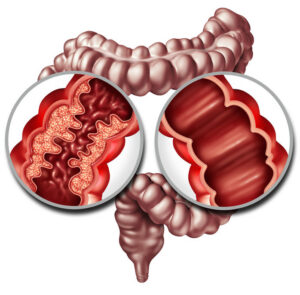
Inflammatory bowel disease (IBD) models support efficacy and mechanism studies for ulcerative colitis and Crohn's disease, with model options representing acute, chronic, chemically induced, and immune-mediated intestinal inflammation.
- Inflammatory Bowel Diseases model (IBD)
- Irritable Bowel Syndrome (IBS)
- Pancreatitis
- Gastric Ulcers/Diarrhea/Constipation
Pulmonary Disease
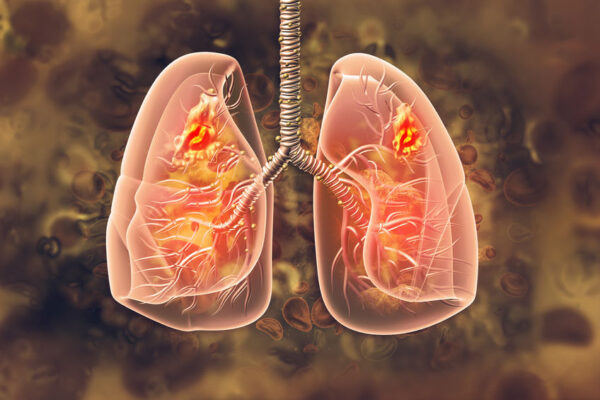
Respiratory inflammation models enable evaluation of allergic, acute inflammatory, and fibrotic mechanisms in the lung and upper airway, with model selection based on the intended therapeutic mechanism and disease phenotype.
- Pulmonary Fibrosis
- Asthma
- Acute Lung Injury
- Chronic Obstructive Pulmonary disease (COPD)
- Rhinitis
- Pulmonary arterial hypertension (PAH)
- Cough
Acute Inflammation
Acute inflammation models support efficacy and mechanism studies for rapid-onset immune responses and cytokine storms, such as sepsis, and localized edema, with model options representing pathogen-induced (e.g., LPS), chemically triggered, and localized acute inflammatory pathways.
- Cytokine Production
- Sepsis
- Peritonitis
- Ear/paw Edema
- Passive Cutaneous Anaphylaxis (PCA)
Rheumatic Disease
Rheumatic disease models support evaluation of therapies targeting autoimmune joint destruction, rheumatoid arthritis, and osteoarthritis, with study endpoints selected to reflect clinical arthritis scores, localized inflammatory signaling, and structural joint/cartilage pathology.
- Rheumatoid Arthritis (RA)
- Osteoarthritis
- Psoriatic Arthritis
- Gout
- Ankylosing Spondylitis
Systemic Disease
Systemic disease models support evaluation of therapies targeting multi-organ autoimmunity, systemic lupus erythematosus (SLE), and systemic sclerosis, with study endpoints selected to reflect autoantibody profile, systemic inflammatory signaling, and multi-organ tissue pathology.
- Systemic Lupus Erythematosus (SLE)
- Experimental Sjögren’s Syndrome (ESS)
- Systemic Sclerosis (SSc)
- Mucositis

Explore Solutions for Your Program
Explore solutions by development phase, drug modality, therapeutic area, or integrated discovery needs.
You May Also Be Interested In





Get a Quote
Ready to plan your next study? Share your program needs with our team for a tailored estimate.