
4 Questions that Define a Successful Bioanalytical Strategy for Oligonucleotide Drugs

Oligonucleotide therapeutics, including antisense oligonucleotides (ASOs) and small interfering RNAs (siRNAs), were designed to modulate diseases at the RNA level. Characterizing that behavior and the drug’s biological effects throughout development requires a comprehensive bioanalytical strategy. This includes measuring drug exposure and metabolites through pharmacokinetic (PK) analysis, assessing potential immune responses through immunogenicity testing, and evaluating target engagement and downstream biological effects through pharmacodynamic (PD) and biomarker analyses. Together, these data provide an integrated understanding of how an oligonucleotide therapeutic behaves in vivo and whether it produces the intended biological response.
As of early 2026, 24 oligo therapeutics had received US regulatory approval, and industry pipeline analyses show more than 320 candidates in development. As oligo therapies evolve in number and complexity, traditional pharmacokinetic (PK) data cannot answer these critical questions. For example, an oligo may show low plasma levels yet remain in target or non-target tissues. Oligos can also produce metabolites that closely resemble the parent drug or depend on delivery systems that influence distribution and other biological activity.
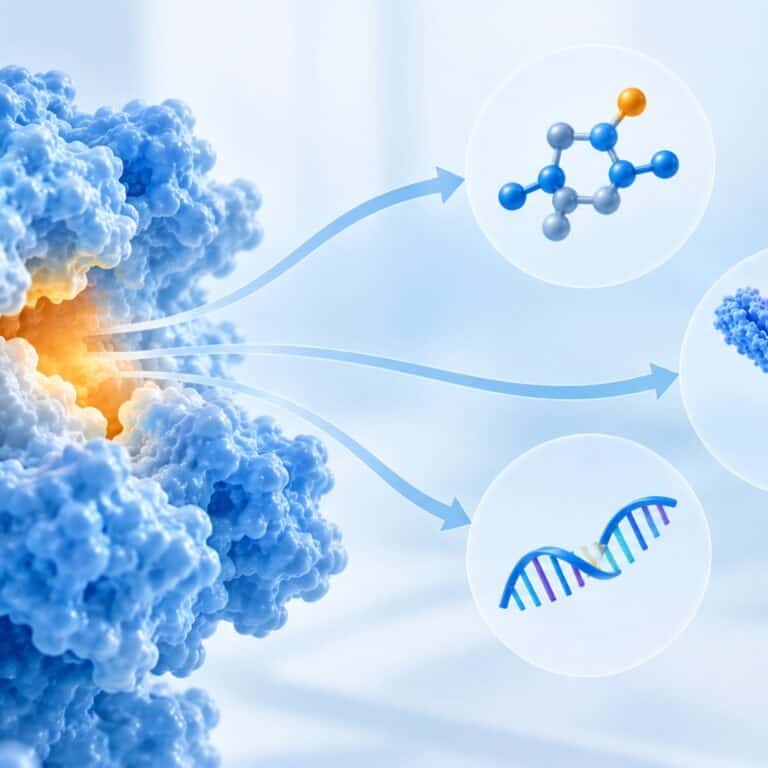
So, how do teams prove that an oligo reaches the right tissue, generates reliable analytical readouts, and produces the intended effect? A comprehensive bioanalytical strategy should answer four connected questions.
1. Can We Accurately Measure the Parent Drug and Its Metabolites?
PK and toxicokinetic (TK) assessments of oligonucleotide therapeutics must accurately characterize drug exposure, distribution, and metabolism across relevant biological matrices, but these analyses present distinct bioanalytical challenges. Oligonucleotides are highly charged molecules and often require extensive chemical modifications to improve stability and pharmacological properties. Many therapeutic oligonucleotides also exhibit substantial plasma protein binding. Together, these properties can complicate sample preparation, extraction recovery, and quantitative analysis in complex biological matrices.
A separate analytical challenge is distinguishing the parent oligonucleotide from closely related metabolites. Nuclease-mediated metabolism commonly generates chain-shortened species, such as n−1 and n−2 metabolites, that differ from the parent oligonucleotide by only one or a few nucleotides. Their high structural similarity places substantial demands on analytical specificity and chromatographic or mass-spectrometric resolution. Without adequate separation, metabolite signals may interfere with parent-drug quantification, potentially biasing exposure estimates and complicating PK/TK interpretation.
Liquid chromatography-tandem mass spectrometry (LC–MS/MS) is a particularly valuable tool when molecular specificity and differentiation of the parent oligonucleotide from closely related metabolites are required. When even higher analytical sensitivity is required, Hybrid ELISA/MSD, LC-FLD, qPCR/RT-qPCR, and ddPCR can be considered based on the analyte and assay purpose, with PCR-based methods offering particularly high sensitivity for sequence-specific quantification. No single platform is optimal for every application. Method selection should consider the target analyte, biological matrix, expected concentration range, required sensitivity and specificity, and the specific bioanalytical objective, such as quantifying systemic or tissue exposure or differentiating the parent oligonucleotide from related metabolites.
2. Did the Delivery System Perform as Intended?
“Did the drug do what it was designed to do?” is only part of the question for an oligonucleotide therapeutic. Equally important is whether the oligonucleotide reaches the intended tissue or cell in a form capable of producing the desired pharmacological effect. Delivery technologies—e.g., lipid nanoparticles (LNPs), GalNAc conjugates, peptide conjugates, and antibody-oligo conjugates—are designed to facilitate delivery of the oligonucleotide to the intended tissue or cell while maintaining sufficient integrity for pharmacological activity.
Therefore, a comprehensive bioanalytical program should expect to measure both the oligo and its delivery-system components. For example, cationic or PEGylated lipids may require PK characterization for LNP-formulated therapies. These data help characterize tissue distribution and persistence, identify metabolites or degradation of delivery components, and explain differences between measured drug exposure and observed pharmacological activity.
LC–MS/MS can also measure delivery-related components, while protein-based assays may help assess downstream pharmacodynamic (PD) signals. Measuring an active drug without understanding its delivery mechanism can undermine the PK, safety, and performance data.
3. Does the Therapy Trigger an Immune Response?
Protein biologics can be especially challenging when the human body “recognizes” the therapy, or features of its formulation, as foreign. Oligonucleotides present a different immunogenicity profile, with immune responses arising through mechanisms distinct from those typically associated with protein therapeutics. Immunogenicity, therefore, remains an important consideration during oligonucleotide drug development for two main reasons. First, an oligo can activate innate immune pathways, contributing to inflammation. Second, adaptive immune responses—including the body’s creation of anti-drug antibodies (ADAs)—occur less frequently with oligos than with protein therapeutics, but it still happens. This warrants a product-specific assessment.
Immunogenicity with oligos also extends beyond the sequence itself. Chemical modifications, conjugated ligands, linkers, PEGylated components, and complex delivery vehicles all shape the drug’s overall immune profile. ADA programs often include screening and confirmation steps, followed by titer assessment, using bridging electrochemiluminescence (ECL) or ELISA formats. Therefore, assay design and reagent selection should be carefully considered to ensure the intended biological readout can be reliably measured. When labeled reagents are used, the labeling strategy should preserve the molecular features required for analyte recognition and antibody binding and should not compromise assay specificity or performance.
4. Did Exposure Generate the Intended Biological Effect?
During bioanalysis, detecting and quantifying an oligonucleotide in plasma or tissue is important, but exposure alone does not demonstrate the intended biological effect. Scientists must also demonstrate that the drug’s RNA-directed mechanism is working as intended in the relevant biological context (i.e., tissue or cellular localization). For example, reduced target mRNA is an important outcome for ASOs and siRNAs designed to silence or degrade RNA. Reverse transcription-qPCR (RT-qPCR) and qPCR are sufficiently sensitive to measure these effects across multiple developmental studies.
Additionally, a complete PD picture usually goes beyond RNA. ELISA, MSD/electrochemiluminescence, and LC–MS/MS can measure protein-level effects, depending on the target and study objective. In situ hybridization (ISH), immunohistochemistry (IHC), immunofluorescence (IF), and other tissue-based analyses also show where RNA or protein changes occur after dosing.
Together, these analyses demonstrate how exposure leads to target engagement, which in turn drives changes in proteins or downstream biomarkers that support interpretation of efficacy and safety. These data can inform candidate prioritization, dose selection, translation from preclinical studies to clinical trials, and regulatory discussions. A robust PD/biomarker plan turns concentration data into evidence that the therapy is reaching its target and affecting the biological context as intended.
A Final Word on the Importance of a Comprehensive Bioanalytical Program
No single analytical platform can answer every bioanalysis question for every oligo. LC–MS/MS, ligand-binding assays, PCR-based methods, and tissue-based techniques are complementary tools that together provide a deeper understanding of the drug and its effects. The optimal strategy should reflect the modality, chemical modifications, delivery approach, tissue targets, expected metabolite profile, and stage of development.
Answering these four bioanalysis questions early can reduce ambiguity in PK/TK, safety, and PD data. These answers will also help developers generate the proper evidence to green-light complex oligo therapies with confidence. At the end of the day, a cross-platform bioanalytical approach helps turn oligo innovation into informed development decisions that regulators want to see.
You May Also Be Interested In


Discuss Your Program with Us
Share your development goals and key challenges with our experts to define the right path forward.