
Electrophysiology
Accelerating Discovery with Electrophysiology Assays
Ion channel and transporter activity can influence both therapeutic efficacy and safety, making electrophysiology an important part of early drug discovery and candidate evaluation. Our electrophysiology solutions support ion channel screening, compound profiling, mechanism-of-action studies and cardiac safety assessment using automated and manual patch-clamp, fluorescence-based assays, solid-supported membrane-based ephys, multielectrode arrays and cell- and tissue-based models. These approaches help characterize compound activity, identify potential off-target effects, and support more informed decisions as programs advance.
Ion Channel and Transporter Assays and Applications
Electrophysiology assays can support ion channel and transporter drug discovery from early screening through lead characterization and safety assessment. Depending on the scientific question, studies can combine high-throughput screening, automated or manual patch-clamp, fluorescence-based assays, solid-supported membrane-based ephys, multielectrode arrays and physiologically relevant cellular or tissue models to characterize compound activity and mechanism.
Compound Screening and Profiling
Automated patch-clamp and fluorescence-based assays, solid-supported membrane-based ephys support ion channel and transporter screening and compound profiling from hit finding through lead optimization. These approaches can be used to evaluate concentration-response relationships, potency, selectivity, and activity across ion channel and transporter targets.
Mechanistic Electrophysiology
Manual patch-clamp and multielectrode array studies provide deeper characterization of compound activity and mechanism of action at the cellular or tissue level. Studies can use recombinant stable cell lines, primary neurons such as DRG, cortical and hippocampal neurons, iPSC-derived neurons and tissues.
Cardiac Safety Assessment
Cardiac-related channel testing can help identify potential cardiac liabilities during candidate evaluation. Additional functional assessment using iPSC-derived cardiomyocytes by multi-electrode array (MEA) approaches can provide complementary information on cardiac electrophysiological effects.
Supporting capabilities include stable cell-line generation for ion channels and transporters and BacMam expression system construction to enable customized assays for specific targets.
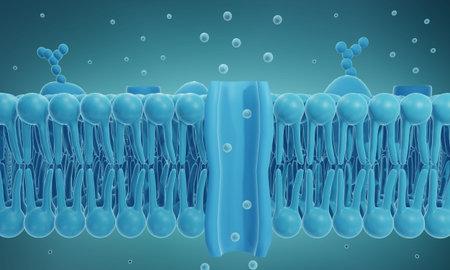
Ion Channel Examples
Electrophysiology Platforms and Capacity
Automated and manual patch clamp, fluorescence-based assays, solid-supported membrane-based ephys, and multielectrode array platforms provide flexibility to support both higher-throughput compound profiling and detailed mechanistic studies.
Current capacity:
- Fluorescence-based system: SyncroPatch systems: 3 SyncroPatch machines, generating up to 300 concentration-response curves per day.
- Manual patch-clamp for recording from cultured cells: 12 rigs in place; current capacity is about 24 concentration-response curves per day
- Brain slice recording: 7 rigs are available; capacity is 7-14 slices per day
Explore Solutions for Your Program
Explore solutions by development phase, drug modality, therapeutic area, or integrated discovery needs.
You May Also Be Interested In

Get a Quote
Ready to plan your next study? Share your program needs with our team for a tailored estimate.