
Small vs. Large Molecule Pharmaceuticals: Key Differences
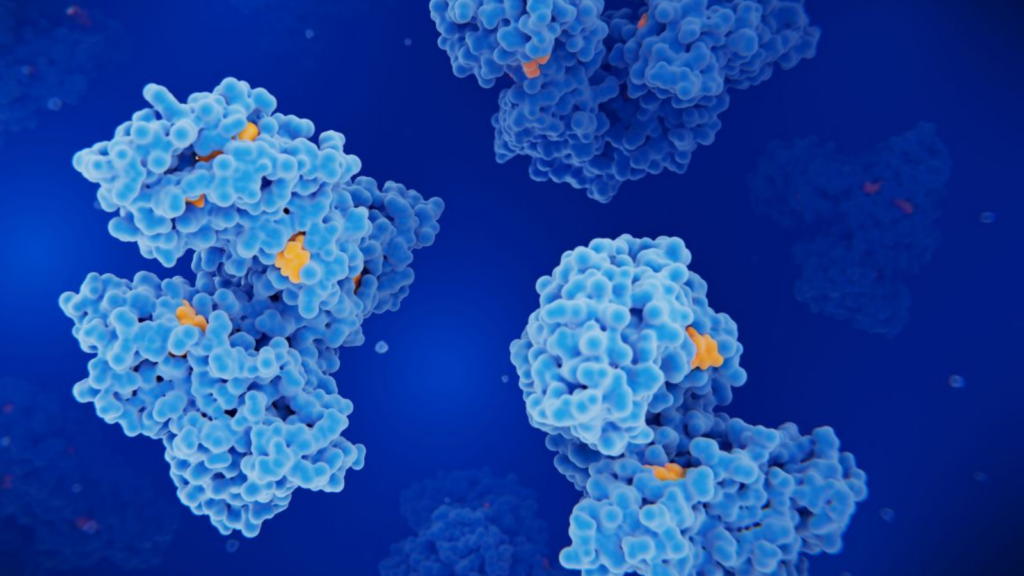
Small molecule pharmaceuticals are generally low-molecular-weight, chemically synthesized compounds with comparatively simple, well-defined structures. Large molecule pharmaceuticals are substantially larger and structurally more complex, commonly including therapeutic proteins such as monoclonal antibodies and recombinant proteins. These differences affect manufacturing, characterization, stability, pharmacokinetics, bioanalysis, and development strategy.
Neither category is inherently preferable. The appropriate approach depends on the therapeutic modality and its development objectives.
Small vs. Large Molecule Pharmaceuticals at a Glance
The differences between small and large molecules go beyond molecular size. Structural complexity, production methods, and biological behavior influence the analytical and development strategies used for each category.
|
Characteristic |
Small Molecules |
Large Molecules |
|
Molecular size |
Relatively small |
Substantially larger |
|
Structure |
Generally simpler and well-defined |
More complex, often with higher-order structure |
|
Production |
Commonly chemical synthesis |
Often biological production systems |
|
Characterization |
Primarily physicochemical/analytical |
Requires broader structural and functional characterization |
|
Stability |
Often comparatively stable |
Can be sensitive to environmental and handling conditions |
|
Administration |
Frequently compatible with oral delivery |
Often administered parenterally |
|
Bioanalysis |
Frequently chromatography/mass spectrometry-based |
Frequently ligand-binding and/or mass spectrometry-based |
|
Typically less prominent” |
Generally limited |
Can be an important development consideration |
What Are Small Molecule Pharmaceuticals?
Defining characteristics of small molecules
Small molecule pharmaceuticals generally have relatively low molecular weights and chemically defined structures. Their relatively small size can facilitate membrane permeability and interaction with intracellular targets.
Chemical synthesis is the predominant method for producing conventional small molecules. Because the resulting compounds have comparatively well-defined structures, their identity, purity and related physicochemical attributes can often be evaluated using established analytical methods.
Small molecules also tend to have greater physicochemical stability than many biologic products, although stability remains molecule- and formulation-dependent. Factors such as solubility, lipophilicity, degradation and permeability can materially affect development.
How small molecules are developed and analyzed
Small molecule development commonly incorporates analytical characterization, drug metabolism and pharmacokinetics (DMPK), bioanalysis, safety assessment and pharmacology. ADME (absorption, distribution, metabolism and excretion) studies help establish how a compound behaves in biological systems.
For quantitative bioanalysis, liquid chromatography-tandem mass spectrometry (LC-MS/MS) is widely used because it provides sensitive, selective quantification of small-molecule analytes in biological matrices.
What Are Large Molecule Pharmaceuticals?
Defining characteristics of large molecules
Large molecule pharmaceuticals generally have substantially greater molecular size and more complex three-dimensional structures than conventional small molecules. Therapeutic proteins, including monoclonal antibodies and recombinant proteins, are common examples. Their biological activity can depend on conformation, molecular interactions, and other structural attributes.
As a result, large molecule pharmaceuticals can be more sensitive to manufacturing, storage, and handling conditions. Changes in higher-order structure, aggregation or other product attributes can affect quality and biological activity.
Examples of large molecule pharmaceuticals
Examples include:
- Monoclonal antibodies
- Recombinant therapeutic proteins
- Selected peptide therapeutics, depending on the classification framework
- Antibody-drug conjugates and other complex protein-based modalities.
The terminology is not always identical across regulatory, scientific, and commercial contexts. Consequently, classification should be based on the characteristics and modality of the specific therapeutic rather than on molecular weight alone.
6 Key Differences Between Small and Large Molecule Pharmaceuticals
The six key differences between small and large molecule pharmaceuticals involve molecular size and structural complexity, manufacturing, analytical characterization, pharmacokinetics, bioanalytical methods, and stability.
1. Molecular size and structural complexity
Molecular size is the most apparent distinction between large and small molecule pharmaceuticals, but structural complexity is often more consequential for development.
Small molecules generally have relatively simple chemical structures that can be described precisely through their molecular composition and configuration. Large molecule pharmaceuticals, particularly protein-based products, can exhibit multiple levels of structure and molecular heterogeneity.
Large molecule pharmaceuticals differ from small molecules not only in molecular size but also in structural complexity and in the analytical strategies required to characterize them.
2. Manufacturing and production
Small molecules are commonly manufactured through chemical synthesis, with defined reaction sequences and purification steps.
Many large molecules are produced through biological expression systems followed by downstream purification and formulation. This introduces additional process variables that can influence product attributes. ICH S6 provides a framework for the nonclinical safety evaluation of biotechnology-derived pharmaceuticals and recognizes the importance of the product's biological characteristics in development.
The difference means that manufacturing considerations for large molecule pharmaceuticals extend beyond chemical composition. Process conditions can influence attributes such as molecular structure, purity and biological activity, making process understanding an important part of development.
3. Characterization and analytical testing
Small molecules can often be characterized using established physicochemical and analytical techniques. Depending on the compound, these can include chromatography, mass spectrometry, spectroscopy, and related approaches.
Large molecules generally require multiple complementary techniques because no single analytical platform captures every relevant attribute. Structural characterization, purity, aggregation, charge variants and biological activity may all be relevant, depending on the modality and development stage.
The analytical strategy should therefore be fit for purpose. For large molecule pharmaceuticals, characterization is typically designed around both the molecular attributes and the biological question being addressed.
4. Pharmacokinetics and biological behavior
Pharmacokinetics (PK) describes how a therapeutic is absorbed, distributed, processed or degraded, and eliminated from the body. These processes can differ substantially between small and large molecules.
Molecular size, structure, route of administration, target interactions and biological processing all influence PK. Protein-based therapeutics, for example, may undergo proteolytic degradation, receptor-mediated uptake or other clearance mechanisms. These factors can contribute to PK profiles that differ from those of conventional small molecules.
Specialized pharmacology programs can evaluate exposure -- response relationships, including PK and pharmacodynamic (PD) measurements, when appropriate for the therapeutic modality.
Thus, large molecule pharmaceuticals require PK strategies that account for their molecular characteristics and mechanisms of disposition rather than simply applying a small-molecule framework.
5. Bioanalytical methods
Bioanalysis measures drug concentrations and, where relevant, metabolites, biomarkers or other analytes in biological matrices. The analytical platform must be selected according to the molecule and the study objective.
Small molecule bioanalysis commonly uses LC-MS/MS and related chromatographic techniques. Large molecule bioanalysis may instead rely on ligand-binding assays (LBAs), including immunoassays, or on mass spectrometry-based methods. Hybrid and complementary approaches can also be appropriate.
For applicable quantitative bioanalytical methods, ICH M10 establishes expectations for method validation and study sample analysis to demonstrate that an assay is suitable for its intended purpose.
For large molecule pharmaceuticals, assay selection can therefore depend on molecular structure, biological matrix, required sensitivity and selectivity, analyte characteristics, and the specific study question.
6. Stability, storage and sample handling
Stability is another important distinction. Many small molecules have comparatively robust physicochemical stability, although degradation remains an important consideration for individual compounds and formulations.
Biological products can be more sensitive to temperature, formulation, container materials, handling, and physical stress. Potential changes can include degradation, aggregation or other alterations that affect product quality.
Stability programs can also consider interactions between a biopharmaceutical and its packaging components. Stability testing helps generate data relevant to storage, transport, handling and product integrity.
Why the Small vs. Large Molecule Distinction Matters in Drug Development
The small-versus-large molecule distinction influences development from early characterization through later-stage testing. It can affect:
- Candidate characterization
- Analytical method selection
- DMPK strategy
- Bioanalytical method development and validation
- Toxicology study support
- Manufacturing and stability programs
- Clinical development planning
For large molecule pharmaceuticals, these considerations are particularly interconnected because molecular structure, biological activity, analytical measurement, and stability can influence one another.
The distinction therefore is not just a matter of molecular weight. It can determine which analytical methods are appropriate, which attributes require control and how PK and safety data are generated and interpreted.
How Does Bioanalysis Differ for Large Molecule Pharmaceuticals?
No single analytical platform is appropriate for every therapeutic modality. Large molecule bioanalysis can incorporate LBAs, LC-MS/MS, and complementary approaches, depending on the analyte and analytical objective.
For example, LBAs can be useful for measuring protein therapeutics when suitable binding reagents are available. Mass spectrometry can provide complementary information about molecular identity or specific analytes. Biomarker assays can address pharmacodynamic or mechanistic questions, while immunogenicity assessments may be relevant for biologic products.
For large molecule pharmaceuticals, the bioanalytical strategy therefore needs to account for molecular structure, therapeutic modality, study objectives and development stage rather than relying on a single standardized analytical approach.
Choosing the Right Development Strategy for Large Molecule Pharmaceuticals
A development strategy for large molecule pharmaceuticals should begin with the characteristics of the therapeutic itself. Important considerations include:
- Therapeutic modality and molecular structure
- Development stage and study objectives
- Required analytical sensitivity and selectivity
- Relevant regulatory expectations
- Assay continuity across development stages
- Integration among bioanalysis, DMPK, pharmacology and safety functions
For biotechnology and pharmaceutical manufacturers with limited internal analytical capacity, external technical support can provide access to specialized platforms and multidisciplinary expertise. Larger manufacturers may also use external capabilities to supplement established internal functions.
An integrated development provider may offer analytical, bioanalytical, DMPK, safety, and pharmacology capabilities across development stages. Such breadth can help maintain continuity as analytical requirements evolve from discovery through regulatory submission.
The appropriate model ultimately depends on the therapeutic modality, internal resources, development stage and regulatory strategy.
Frequently Asked Questions About Large Molecule Pharmaceuticals
What are large molecule pharmaceuticals?
Large molecule pharmaceuticals are complex therapeutic molecules that are substantially larger and structurally more complex than conventional small molecule drugs. Common examples include therapeutic proteins and monoclonal antibodies. Their structural characteristics can require broader analytical and bioanalytical strategies.
What is the main difference between small and large molecule drugs?
The primary difference is molecular size, but structural complexity is equally important. Small molecules generally have simpler, chemically defined structures, whereas large molecules can exhibit higher-order structures, molecular heterogeneity, and conformationally dependent biological activity.
What are examples of large molecule pharmaceuticals?
Examples include monoclonal antibodies, recombinant therapeutic proteins, selected peptide therapeutics, and antibody-drug conjugates. Classification can vary according to the therapeutic's characteristics and the applicable regulatory context.
Are biologics considered large molecule drugs?
Many biologics are considered large molecule therapeutics, particularly protein-based products such as monoclonal antibodies and recombinant proteins. However, "biologic" is a broader regulatory and scientific category, so the terms should not always be treated as exact synonyms.
How are large molecule pharmaceuticals analyzed?
Large molecule pharmaceuticals can be analyzed using ligand-binding assays, immunoassays, LC-MS/MS, and other complementary analytical techniques. The appropriate platform depends on the molecule, matrix, required sensitivity and selectivity, and study objective.
Why are large molecule pharmaceuticals more complex to characterize?
Their characterization can require assessment of higher-order structure, molecular heterogeneity, purity, and biological activity. Manufacturing, formulation, and environmental conditions can also influence structural attributes and stability.
Do large molecule drugs require different bioanalytical methods than small molecules?
Yes. Small molecules are frequently quantified using chromatographic mass spectrometry, whereas large molecule pharmaceuticals may require ligand-binding assays, mass spectrometry-based methods, or complementary platforms. Method selection should reflect the modality, analyte, matrix, sensitivity requirements, and study objective.
Overall, the small-vs.-large molecule distinction provides a practical framework for understanding why pharmaceutical development strategies differ across modalities. For large molecule pharmaceuticals, molecular structure, biological activity, and stability make characterization and bioanalysis particularly dependent on fit-for-purpose methods, appropriate method validation, and coordinated development planning.
You May Also Be Interested In


Discuss Your Program with Us
Share your development goals and key challenges with our experts to define the right path forward.