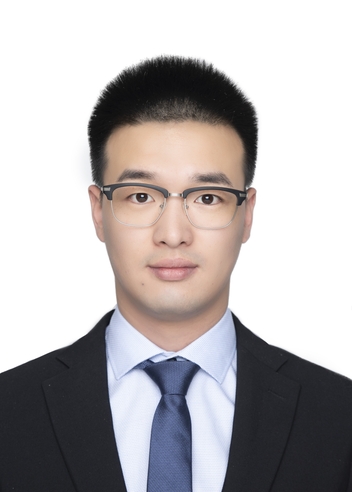
Peng Li
Peptide Biotransformation

About Us
Learn more about who we are and how we help advance your programs further and faster.
Services
Browse our full directory of drug discovery services and preclinical testing capabilities.
Find What You Need

Booth #405
The ISSX meeting provides an exceptional opportunity to learn, network, and exchange ideas with researchers from around the world. Interact with a broad representation of international researchers and other scientists who are gaining a deeper understanding of drug metabolism and pharmacokinetics.
Imperial
Peng Li
Peptide Biotransformation
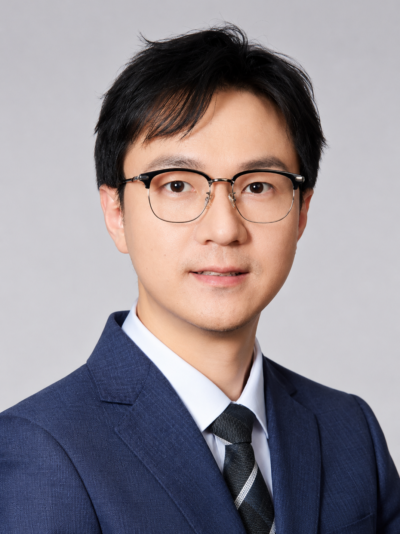
Jianping Sun
Oral Peptide Absorption
Abstract: Therapeutic peptides present distinct DMPK challenges, including complex biotransformation and limited intestinal permeability. This symposium will highlight two complementary approaches: advanced LC-HRMS and TidesID for peptide metabolite characterization, and an optimized Caco-2/in vivo PK workflow for permeation-enhancer screening and oral absorption assessment.
Learning Objectives:
Grand Ballroom (Exhibit Hall)
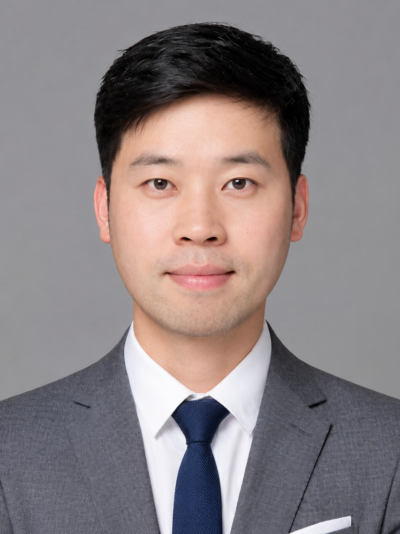
Quanli Feng
Abstract: As bRo5 drugs play an increasingly crucial role in treating complex diseases but have poor oral pharmacokinetics, it is significantly important to establish a more rapid screening platform to provide essential guidance for molecular modification, By combining in vitro data, such as physicochemical property data EPSA (Exposed Polar Surface Area), solubility, Log D, and in vitro ER (efflux ratio) data, it guides the screening of appropriate preclinical excipients, thereby efficiently increasing the in vivo exposure of preclinical oral PROTACs.
Grand Ballroom (Exhibit Hall)
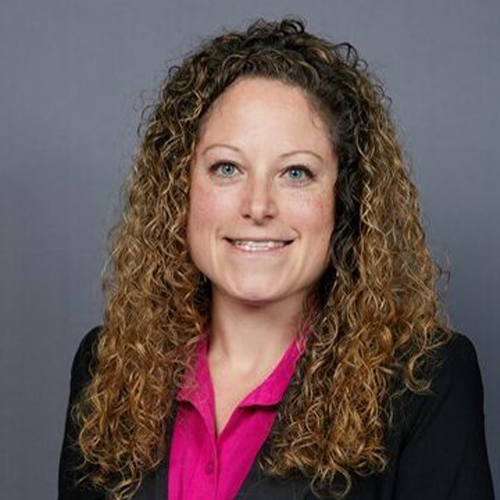
Leah Lake
Short description of the talk: Quantitative whole-body autoradiography (QWBA) can be used not only to assess drug distribution across tissues and organ systems, but also to evaluate how compounds distribute to fetuses, cross the placental barrier, and interact with the maternal environment in which the fetuses develop. We evaluated the distribution of radioactivity in two pregnant female Sprague Dawley rats and their fetuses following test article administration. Selected tissues from the adult female rats and associated fetuses were analyzed to characterize differences in distribution between maternal and fetal compartments using QWBA methodologies, supporting its application in evaluating placental transfer.

Share your development goals and key challenges with our experts to define the right path forward.